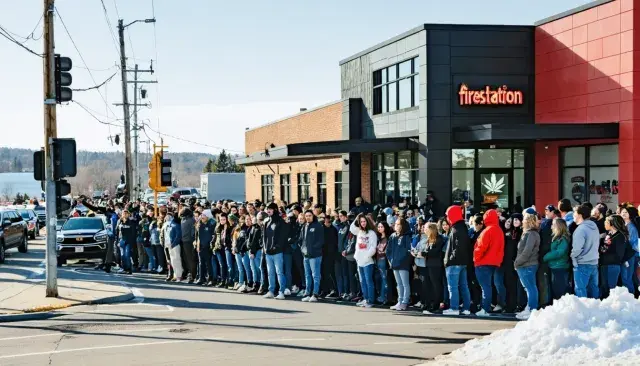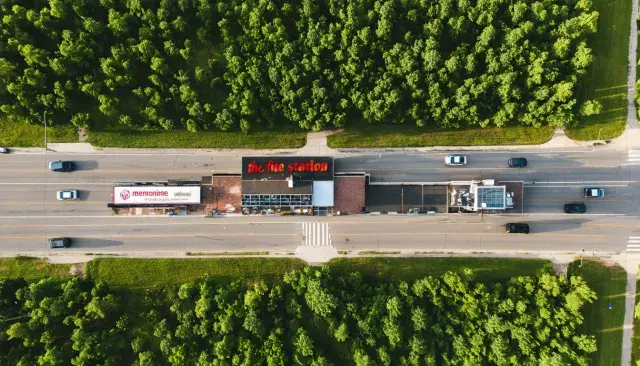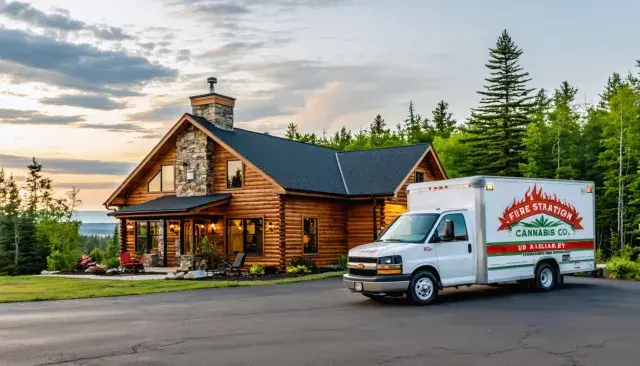
In Marquette, Michigan, Fire Station Cannabis Co. is rolling out delivery services across the entire Upper Peninsula in the coming weeks, offering a game-changer for medical patients and recreational users aged 21 and older seeking convenient access to regulated cannabis products.
Key Features of the New Delivery Service
The service addresses long-standing barriers in the rural Upper Peninsula, where vast distances often deter consumers from visiting dispensaries. Owner Stosh Wasik emphasizes accessibility as the core driver, responding to customer requests for broader reach beyond the current local zone.
- Available to medical patients and adults 21+ with ID verification upon delivery
- Residential addresses only; maximum 2.5 ounces per transaction
- Weekly deliveries to cities across designated zones, with potential expansion based on demand
- Follow Fire Station on Facebook for schedule updates and zone maps
Background: Meeting Demand in a Remote Region
The Upper Peninsula's sparse population and expansive geography—spanning over 16,000 square miles with limited public transport—have historically complicated cannabis access since Michigan legalized recreational sales in 2018 and medical use earlier. Travelers from remote areas like Ontonagon or Sault Ste. Marie frequently journey hours to Marquette for Fire Station's premium products. This initiative mirrors urban trends where delivery has boosted compliance with regulated markets, reducing reliance on unregulated sources.
Health, Safety, and Societal Implications
From a public health perspective, doorstep delivery promotes safer consumption by ensuring products come from licensed providers tested for contaminants, a critical factor in rural areas prone to black-market risks. Limits on order sizes and strict ID checks align with state regulations, minimizing diversion and underage access. Broader trends show cannabis delivery correlating with 20-30% drops in impaired driving in states like California, as consumers avoid travel post-purchase.
Economically, this could invigorate U.P. cannabis businesses, fostering competition and product diversity while supporting local jobs. For medical users managing chronic pain or anxiety—conditions prevalent in aging rural populations—convenience translates to better adherence and outcomes without the burden of long drives in harsh winters.
Looking ahead, if demand surges, expanded schedules may normalize delivery as essential as grocery or pharmacy services, signaling cannabis's evolution from stigmatized substance to mainstream lifestyle option in underserved communities.