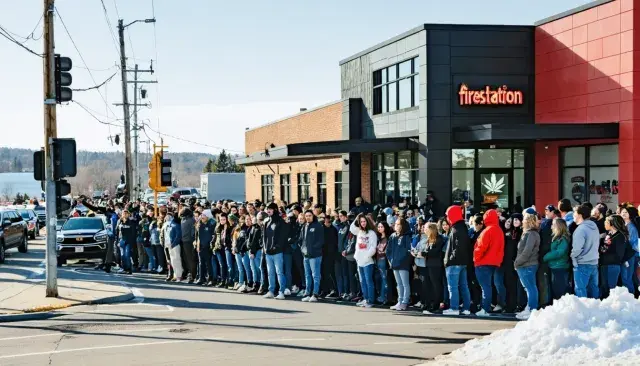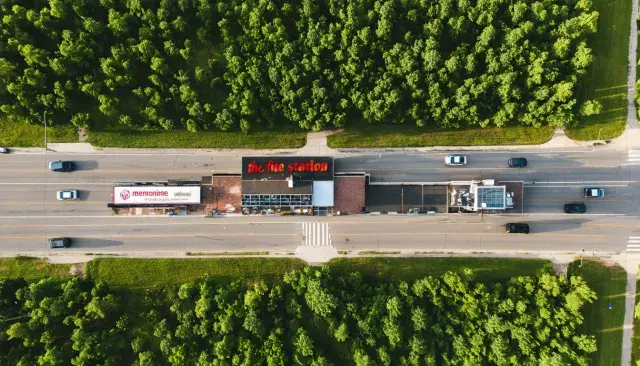
In Menominee, Michigan, recreational cannabis dispensaries have multiplied from zero in early July to five by late summer, capitalizing on the city's prime location across the border from marijuana-illegal Wisconsin. This rapid growth underscores Michigan's evolving cannabis market, offering safer access amid rising demand and highlighting economic opportunities in the Upper Peninsula.
Rapid Rollout and Key Players
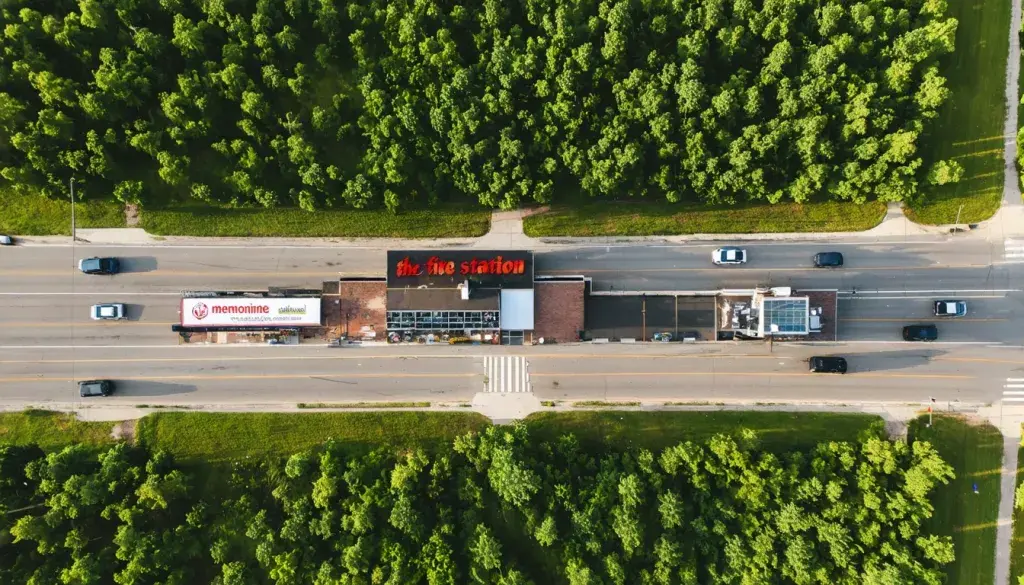
The Fire Station led the charge, opening in late July with curbside and drive-thru services only, a strategy that accelerated launches without full storefronts. RIZE, Lume, Higher Love, and Nirvana followed, clustering closely—some just 300 feet apart—yet thriving by serving a broader regional clientele.
- The Fire Station's CEO Stosh Wasik emphasized the Yooper roots: "Menominee resonates with our brand."
- Lume boasts 40 parking spots plus space for 25 more in line, staying busy daily.
- Higher Love reports enthusiastic foot traffic in its plaza, with director Lindsay Martwick noting universal positivity.
Border Dynamics Drive Competition
Menominee's geographic edge fuels this competitive yet cooperative environment. Wisconsin's prohibition pushes residents northward, mirroring trends seen in other border communities like those near Illinois post-legalization. Michigan's 2018 recreational law has spurred over 700 statewide dispensaries, but Upper Peninsula spots like Menominee fill a critical gap, reducing black-market risks and promoting regulated products tested for safety and potency.
Curbside models, as Wasik noted, enable six-to-nine-month faster openings, building brand loyalty while storefronts like The Fire Station's are slated for spring 2024. This phased approach enhances community accessibility, aligning with public health goals of harm reduction through quality-controlled cannabis.
Community Excitement Meets Legal Hurdles
Local managers like Lume's Steven Schilly report steady crowds and community involvement, with excitement over convenience in the Upper Peninsula. Yet, ongoing lawsuits cloud the future for Higher Love, Lume, and Nirvana, potentially challenging licenses amid regulatory scrutiny common in nascent markets.
Broader implications include economic boosts—dispensaries generate tax revenue and jobs—while culturally normalizing cannabis use. As access grows, so does potential for education on responsible consumption, mitigating health risks like over-intoxication through professional guidance over street sources.
Outlook: Sustained Growth Amid Uncertainty
For now, all five operate robustly, but resolving litigation will shape long-term viability. Menominee exemplifies how legalization reshapes rural economies and lifestyles, fostering safer cannabis ecosystems that could influence neighboring states. With demand steady, this border hub positions the Upper Peninsula as a cannabis destination, balancing commerce, community, and caution.