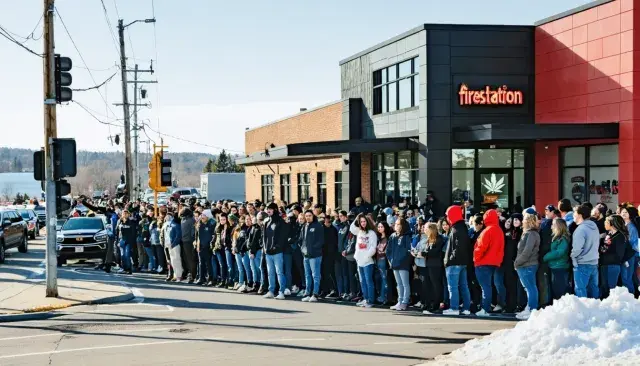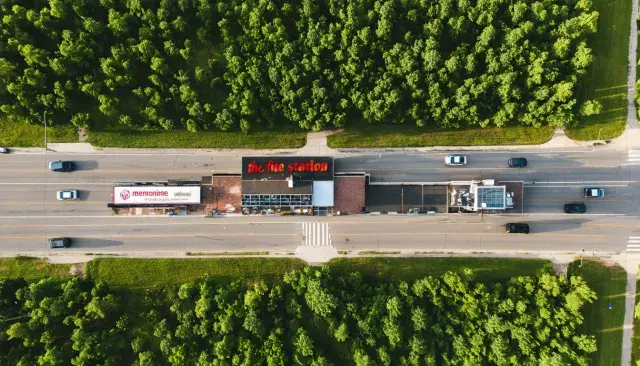

Georgia lawmakers have ruled out recreational marijuana legalization and criminal law changes for the 2026 legislative session, even as federal authorities weigh rescheduling the drug. The focus instead falls on stricter oversight of hemp-derived products flooding convenience stores and gas stations. This stance underscores persistent divides between national policy signals and state-level caution on cannabis expansion.
Federal Rescheduling Meets State Resistance
The U.S. Drug Enforcement Administration's proposal to shift marijuana from Schedule I to Schedule III would recognize its medical potential and reduce its perceived risk compared to substances like heroin. Such a federal adjustment, however, leaves recreational use to state discretion and would not override Georgia's prohibitions. State leaders emphasize that marijuana remains illegal under local law, with enforcement as a core priority absent major federal overhauls.
Crackdown on Unregulated Hemp Products
Legislative efforts center on unregulated hemp items, which bypass the structured licensing for Georgia's medical marijuana program. Senate Judiciary Committee Chairman Brian Strickland highlighted how these potent products, often sold to minors at gas stations, evade consistent testing and oversight. Georgia has emerged as a haven for such goods as neighboring states impose tighter controls, prompting calls to close this regulatory gap and prevent access by children to items far stronger than prescribed low-THC oils.
Medical Tweaks, Not Criminal Reforms
Georgia's low-THC oil program serves registered patients with specific conditions, and a blue-ribbon committee examines modest expansions to qualifying ailments alongside enhanced regulation. Bills from prior sessions may resurface, but they target medical access only, with no momentum for recreational legalization or softened penalties. Strickland confirmed no proposals alter marijuana's criminal status, reinforcing the program's limited scope.
Enforcement Hurdles Persist
Impaired driving poses a key challenge, as testing for marijuana impairment lags behind alcohol detection methods. Hemp products' legal ambiguities further muddle prosecutions, leaving law enforcement uncertain about product legality. Until scientific tools advance, these issues sustain Georgia's reluctance to broaden cannabis access beyond tightly controlled medical channels.