TSRgrow has rolled out a 2026 update to GROWHub, its cultivation management platform, adding energy monitoring, expanded batch records, Metrc integration and building management system connectivity. The expansion turns what began as lighting-control software into something closer to an operating system for commercial grow facilities. For multi-state operators managing dozens of rooms and cultivars across different jurisdictions, that consolidation matters more than it might sound.
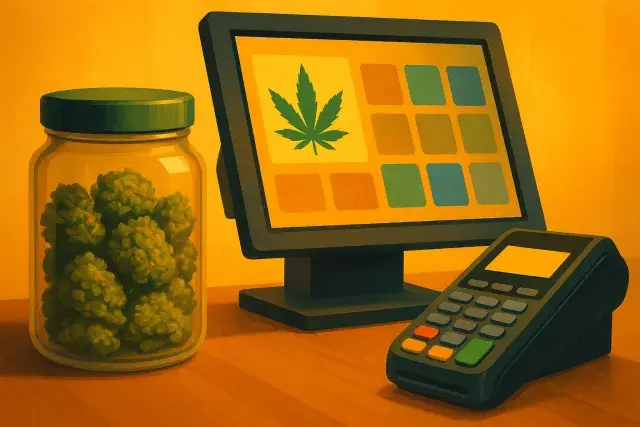
Cultivation facilities generate a strange amount of disconnected data. Environmental sensors track one thing, lighting controllers track another, energy meters sit on a separate dashboard, and compliance recordkeeping often lives in whatever spreadsheet survived the last software migration. GROWHub's pitch is that all of it should live in one place, tied to the actual crop cycle that produced it. It's not unlike what happened on the retail side of the industry years ago, when a dispensary point of sale system consolidated inventory, compliance and transaction data that used to sit in separate, poorly synced tools. Cultivation software is now going through the same overdue consolidation. dispensary point of sale system
The Metrc integration is the piece worth watching closest. Track-and-trace compliance has always been a documentation burden - batch tags, movement logs, waste records, all of it cross-referenced against what regulators expect to see during an audit. When cultivation settings, environmental conditions and lighting recipes get tied directly to batch records that feed into Metrc, operators reduce the manual reconciliation that eats up compliance staff hours. That's not a small thing. Compliance teams at larger cultivation operations often spend as much time verifying records as producing them.
Energy data becomes a compliance and cost issue at once
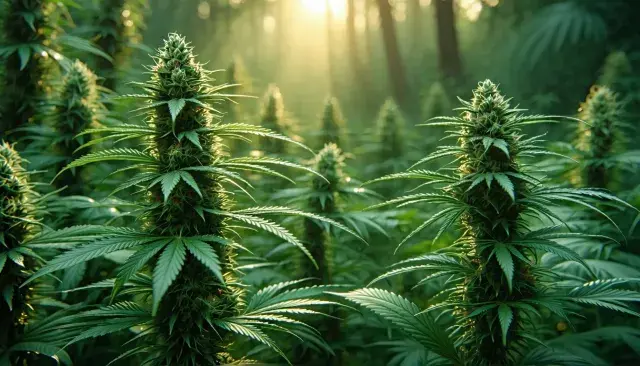
Indoor cultivation is an energy-intensive business, full stop. Lighting, HVAC and dehumidification account for a large share of operating costs at any commercial facility, and utility bills routinely rank among the top line items operators watch. GROWHub's energy monitoring, tied directly into TSRgrow's Remote Power infrastructure, lets growers see lighting energy use alongside environmental and cultivation data rather than as a separate utility statement that arrives weeks later.
That visibility matters for two reasons. First, it gives operators a way to correlate lighting strategy with energy spend in something closer to real time, rather than discovering after the fact that a particular photoperiod schedule ran up costs. Second, as more jurisdictions consider energy-use reporting or efficiency standards for licensed cultivation - a trend already visible in some state-level cannabis regulations - having documented energy data tied to production cycles could become part of license renewal or reporting obligations, not just an internal cost-control exercise.
Why batch-level recordkeeping is becoming non-negotiable
Cannabis remains a Schedule I substance federally, though rescheduling discussions have kept compliance teams on alert for changes that could reshape reporting expectations overnight. Operators who already maintain clean, batch-level cultivation records - light intensity, feeding schedules, environmental conditions, harvest outcomes - will be better positioned if federal oversight expands or if state regulators tighten track-and-trace requirements further.
The alternative, frankly, is what a lot of cultivators are still doing: reconstructing a crop's history from memory, disconnected logs and whatever notes a grow manager happened to keep. That approach works fine until an audit, a recall inquiry or a yield problem forces someone to explain exactly what happened three months earlier in Room 4. Connected batch records don't eliminate that risk, but they make the reconstruction a lot less painful.

What this signals for cultivation technology generally
GROWHub's expansion reflects a broader shift in cultivation technology away from single-purpose tools and toward integrated platforms that treat compliance, energy management and crop performance as parts of the same operational picture rather than separate departments. For cultivators evaluating infrastructure investments, the question is no longer just which lighting system produces better yields - it's whether that system's software can also document, analyze and defend those results when regulators or auditors come asking.