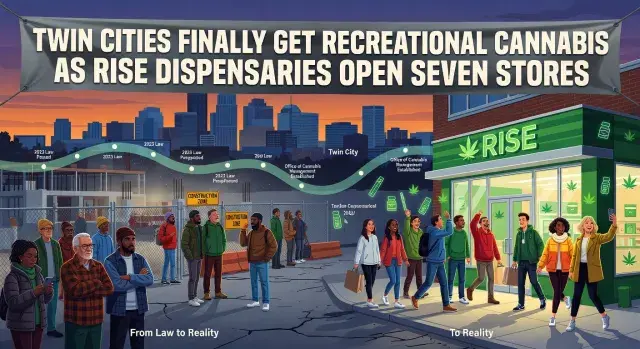
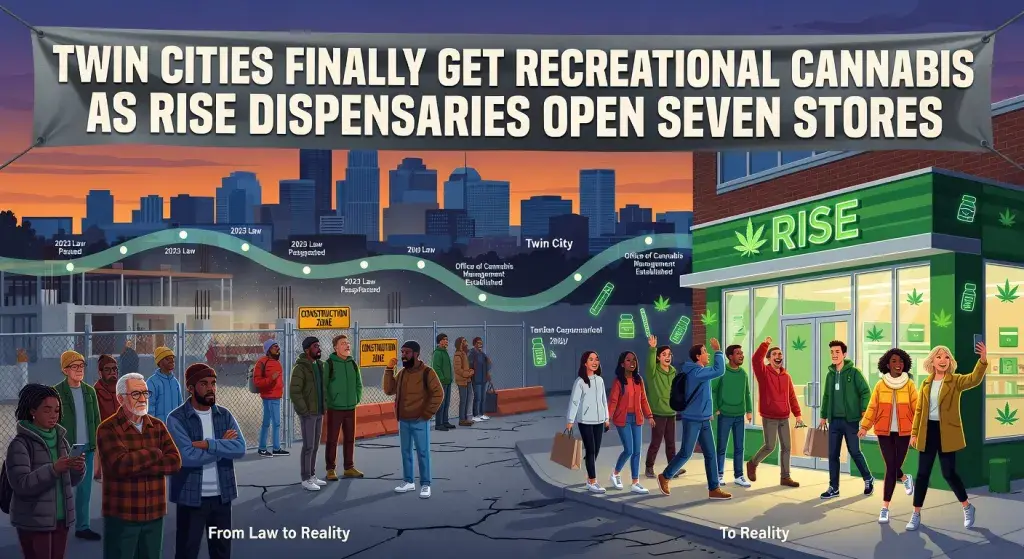
More than two years after Minnesota legalized recreational marijuana, Twin Cities residents can actually buy it. RISE Dispensaries opened seven locations across the metro area on Wednesday - in Brooklyn Park, New Hope, Eagan, and beyond - marking the first day of legal adult-use sales in the Minneapolis-St. Paul region. The wait, by any measure, was long.
From Law to Reality: Why It Took So Long
Minnesota's recreational cannabis law passed in 2023, but passing a law and standing up a regulated market are very different things. The state had to build an entirely new regulatory apparatus - the Office of Cannabis Management - from scratch. Licensing, compliance frameworks, supply chain rules, testing protocols: all of it had to be drafted, debated, and finalized before a single recreational gram could cross a counter legally. On Monday, that office issued its first dispensary licenses to two existing medical cannabis operators, RISE and Green Goods, clearing them for adult-use sales.
The delay frustrated many. Gary Clum, who drove from Minneapolis to the Eagan RISE location on opening day, put it bluntly: "I'm a little disappointed that it took so long. I don't know why it would have, but I'm glad that it's starting to happen now." Fair enough. Other states - Illinois, Michigan - experienced similar lag between legalization votes and operational storefronts, though Minnesota's timeline stretched patience thinner than most.
What Opening Day Looked Like
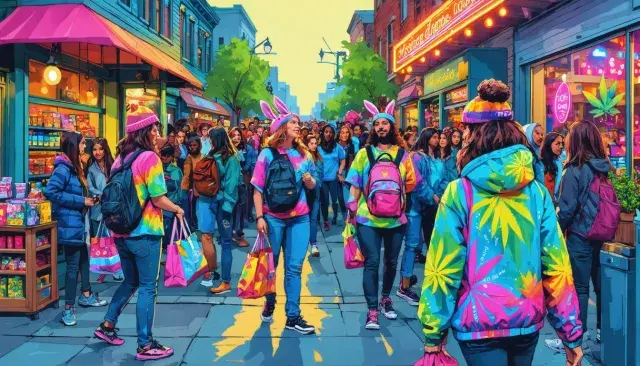
Ribbon cuttings. Long lines. About a hundred customers in the first hour at some locations, according to Ben Kovler, CEO of Green Thumb Industries, the Chicago-based parent company that operates RISE. "What a relief," Kovler said. "It's been a couple of years since the law changed and we're ready for day one." Green Thumb runs more than 100 RISE locations nationally, so the operational muscle was already there. The Minnesota product itself is homegrown - cultivated in Cottage Grove since 2021, originally for the medical market.
That's a detail worth sitting with. The supply chain didn't materialize overnight. RISE had years of in-state cultivation behind it, which gave the company a genuine head start over would-be competitors still working through the licensing pipeline. Kovler expressed confidence in current inventory but acknowledged the obvious: "We think over time, the state and all the microbusinesses are going to want more product."
The Broader Market - and Who's Missing
Here's the catch. Right now, the only entities selling recreational cannabis in Minnesota are converted medical operators and tribal nations. The first non-tribal recreational dispensary outside the metro opened just one day earlier - Tuesday - in downtown Duluth. The small, independent operators that the state's legalization framework was partly designed to empower? They're largely still waiting on licenses.
Minnesota's law included provisions meant to promote equity in cannabis business ownership, particularly for communities disproportionately harmed by decades of prohibition enforcement. But equity applicants face real barriers: capital requirements, real estate challenges, the sheer complexity of regulatory compliance. The early market, in practice, belongs to established medical operators with existing infrastructure and deep-pocketed corporate backing. Whether the state can meaningfully diversify ownership as the market matures remains an open and consequential question.
What Comes Next
The Twin Cities metro is home to roughly 3.7 million people. Seven stores won't cut it for long. As the Office of Cannabis Management processes additional license applications - including those for microbusinesses, cultivators, and social equity applicants - the retail map should expand considerably. But expansion brings its own headaches: municipal zoning fights, banking complications (cannabis remains federally illegal, which makes basic financial services a persistent thorn), and the tension between corporate scale and local entrepreneurship.
For now, though, Wednesday was simply about a door opening. Minnesotans who wanted legal recreational cannabis without driving to a tribal dispensary or crossing state lines finally got it - two years late, but operational. The hard part, building a market that's both functional and equitable, is just beginning.