Cresco Labs, one of the larger vertically integrated multistate operators in the cannabis industry, is hiring Wellness Advisors for its Sunnyside dispensary network. The role sits at the point where retail compliance actually gets tested - the budroom floor - and it says a lot about how dispensary staffing has changed since adult-use markets expanded past their early years.
Why Front-Line Roles Carry Regulatory Weight
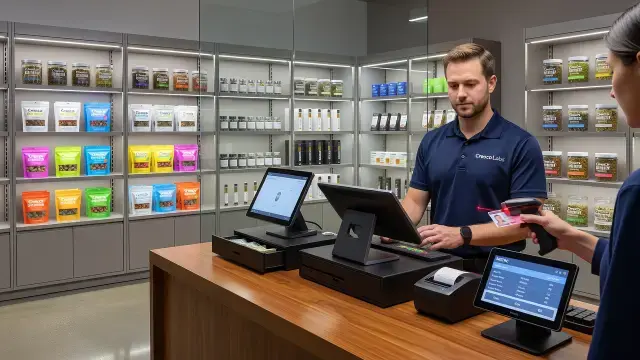
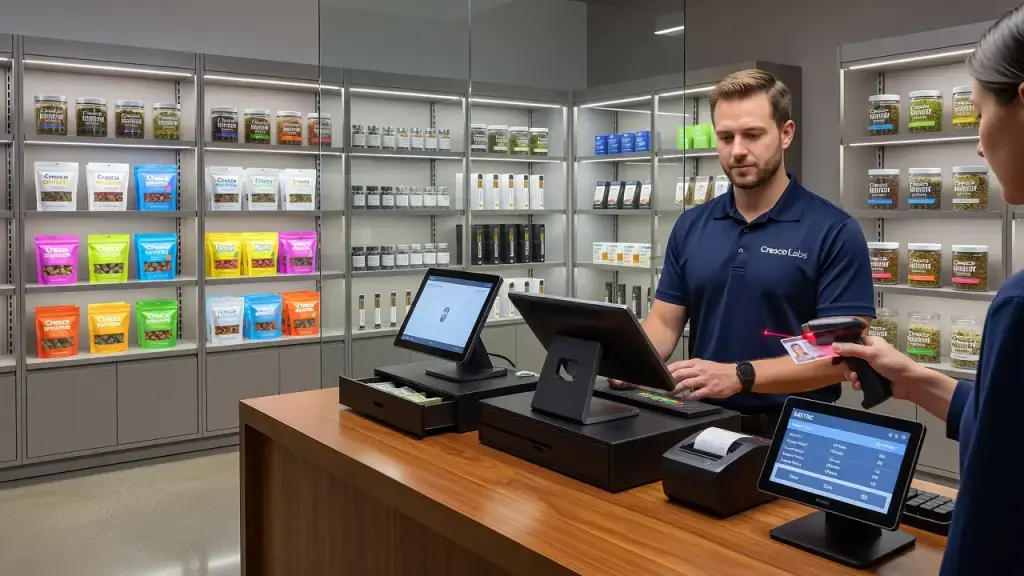
A dispensary associate in this industry is not just a sales clerk. The Wellness Advisor position, as described in Cresco's posting, covers ID verification, order accuracy, cash handling through point-of-sale systems, and recordkeeping that has to satisfy state regulatory agencies - not just a store manager. That's a heavier compliance load than most retail jobs carry, and it's worth sitting with for a second. In most consumer retail, a mis-rung sale is a minor accounting nuisance. In cannabis, an improperly verified transaction can trigger a compliance violation tied to the store's license. The stakes are different, even if the counter looks the same.
This is also where seed-to-sale tracking meets the customer. Every product handed across the counter has to match what the system says left inventory, which ties back to METRC or a similar state tracking platform. Wellness Advisors are effectively the last manual checkpoint before a product batch becomes a completed, auditable sale. Get that wrong consistently, and it shows up in inventory shrinkage reports before it shows up anywhere else.
Vertical Integration Changes What the Job Requires
Cresco cultivates, manufactures, and retails under one corporate roof, which is a structural choice a lot of multistate operators have made for margin reasons - fewer hands between grow and sale generally means better control over wholesale pricing and product consistency. But vertical integration also raises the bar for store-level staff. A Wellness Advisor isn't just selling whatever happens to be on the shelf; they're expected to understand company-owned brands across multiple product categories and explain the differences without drifting into medical claims, which most state regulations explicitly restrict.
That's a narrower lane than it sounds. Budtenders, or Wellness Advisors in Cresco's branding, are trained to discuss product attributes and intended use categories while staying away from language that implies therapeutic guarantees. Regulators in most adult-use and medical states draw a hard line here, and a dispensary's advertising and in-store consultation practices can draw scrutiny if that line gets blurry.
Part-Time Retail, Full-Time Compliance Exposure
The posting notes part-time schedules of 15 to 25 hours a week built around peak hours, with flexibility expected across opening, closing, weekend, and holiday shifts - standard for retail generally, but notable here because turnover in part-time dispensary roles can quietly become a compliance risk. Every new hire needs training on age verification, compliant packaging checks, and state-specific purchase limits before they're reliable on the floor. Operators running dozens of locations, as Cresco does, face a continuous training burden just to keep pace with staffing churn.
- ID and age verification for every transaction, with no exceptions carved out for familiar customers
- Accurate labeling and packaging checks before product leaves the store
- Cash handling procedures, still common industry-wide given limited banking access tied to federal cannabis law
- Routine inventory counts that reconcile against seed-to-sale tracking data
None of this is glamorous, and it isn't meant to be. It's the operational backbone that lets a company the size of Cresco claim legitimacy in a sector still operating under federal prohibition and Section 280E tax treatment. Store-level compliance is, in practice, where that legitimacy either holds up or doesn't.