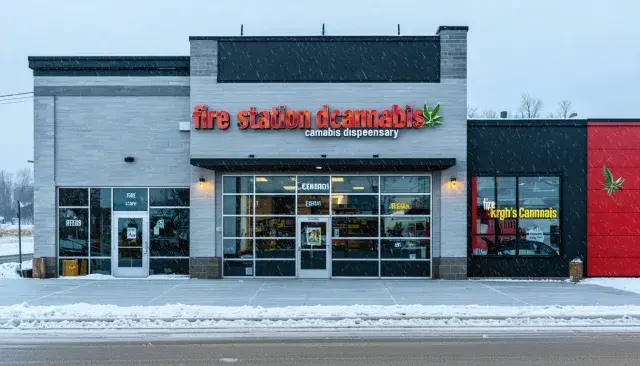

Georgia lawmakers and medical cannabis advocates gathered at Mercer University in Macon to debate broadening the state's decade-old medical cannabis program. The discussions center on granting more patients access to stronger products amid calls for caution and evidence-based changes. With only three production facilities serving 33,000 approved patients, the meeting highlights persistent bottlenecks in a program that lags behind most other states.
Cautious Approach Shapes Policy Review
Representative Mark Newton emphasized the need for thorough study before altering Georgia's medical cannabis framework, which has operated since 2015. He argued that rushing policy could undermine careful implementation, pointing to the program's longevity as reason for deliberate progress. This study committee reflects lawmakers' intent to balance expansion demands with rigorous evaluation, avoiding hasty decisions that might expose patients or the state to unintended risks.
Benefits Emerge Amid Research Gaps
Representative Robert Dickey acknowledged the program's value for patients in need, while noting limited medical research due to cannabis's prior federal illegality. He described the effort as facilitating access to therapies with substantial potential. Georgia's 10 dispensaries distribute low-THC oil, but Dickey stressed opportunities to help more individuals as evidence accumulates from states with mature programs.
Production Limits and Product Strength Concerns
Judson Hill, president of Fine Fettle—one of three operating production facilities in Macon—urged lawmakers to raise THC percentages. He warned that Georgia's low-THC oil restricts patient options, especially as 40 states offer robust medical cannabis regimes. Higher potency, advocates argue, would align Georgia with national trends, better addressing diverse medical needs without shifting to recreational use.
Broader Implications for Access and Innovation
Georgia's constrained production and formulation rules create disparities in care, leaving patients reliant on weaker oils while neighboring states advance. Expansion could spur local manufacturing and research, potentially easing federal barriers over time. Lawmakers face pressure to modernize without overreach, as growing patient numbers signal demand for a program that matches medical realities.