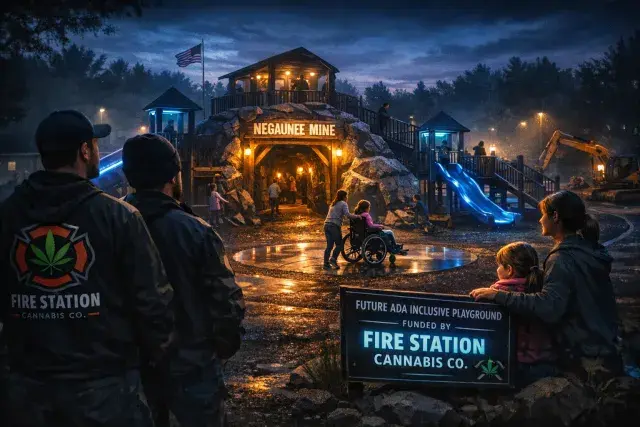
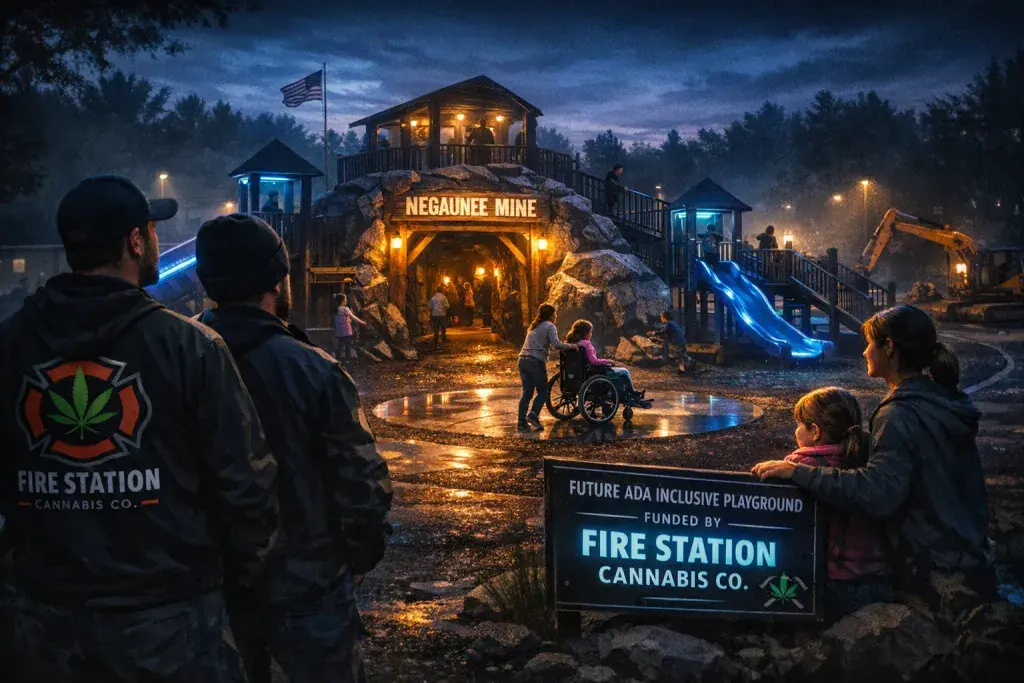
Negaunee Township in Michigan's Upper Peninsula will replace its outdated playground with an ADA-accessible design next year, thanks to a $10,000 commitment from Fire Station Cannabis Co. The new structure, modeled after an old mine, honors the area's mining heritage while addressing safety concerns for children aged 2 to 12. This partnership highlights how local businesses reinvest in communities that supported their early growth.
Roots of Reciprocity in a Mining Heartland
Fire Station Cannabis Co. traces its origins to Negaunee Township, where founders Logan Stauber and Stosh Wasik first secured licensing after persistent efforts. The company, now employing over 150 people across the Upper Peninsula, views municipal support as foundational. "Negaunee Township is special because it’s where we got our start," the CEOs stated jointly, emphasizing gratitude for the township's early belief in their vision. Township Administrator Nick Leach echoed this, recalling the firm's evolution from "two guys camping out at our front door" to a regional employer. Such relationships underscore how regulatory trust can foster economic expansion in rural areas.
From Unsafe Structures to Inclusive Design
The existing playground at Negaunee Township Hall has been deemed structurally unfit, prompting a full replacement. The new facility prioritizes ADA compliance, ensuring accessibility for children with disabilities alongside standard features for ages 2 to 12. By shaping the play area like an old mine, designers connect directly to Marquette County's iron-rich history—Negaunee hosted the Upper Peninsula's first iron forge. This approach blends education with recreation, immersing young visitors in local heritage while promoting physical activity essential for child development. Modern playgrounds like this reduce injury risks through standardized safety engineering, a shift from older models prone to wear.
Building Momentum Through Community Contributions
Fire Station Cannabis's gift forms part of broader fundraising, with the township securing multiple donations to fund construction. Contributors pledging $250 or more earn recognition via commemorative plaques at the site. These incentives draw businesses into public improvements, amplifying impact in small communities where budgets constrain projects. The initiative reflects wider trends in rural Michigan, where cannabis revenues—legalized for adult use since 2018—bolster local infrastructure without relying solely on taxes. Successful playground upgrades often yield long-term benefits, from boosted property values to stronger social ties in townships like Negaunee.