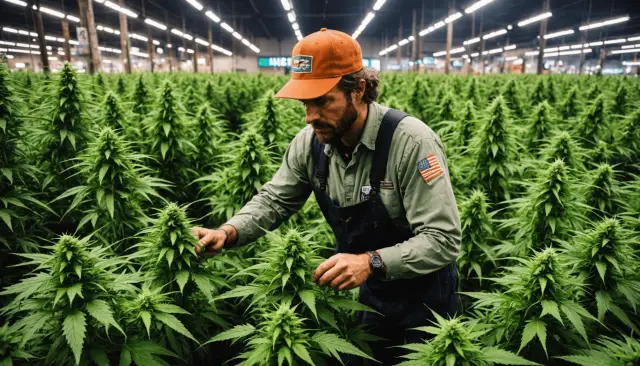
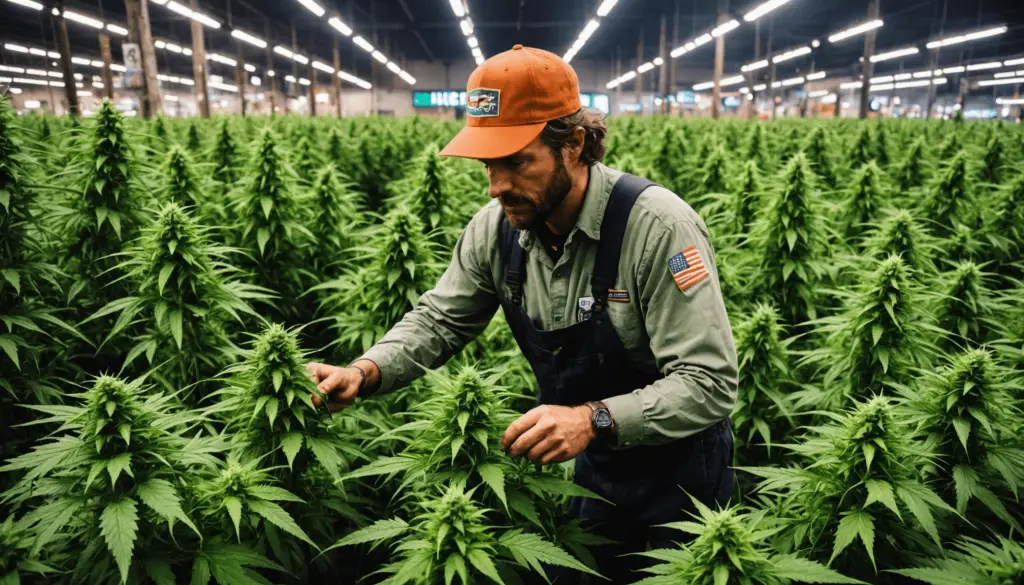
A federal deadline set for December has Pennsylvania hemp operators bracing for the possibility that the products lining their shelves could become illegal overnight. Congress has already moved to close a loophole that let hemp-derived items containing Delta-9 THC circulate largely outside the regulatory structure built for adult-use and medical cannabis. Now lawmakers are weighing whether to tighten restrictions further or ban certain hemp products outright, a prospect that has Lancaster County farmer and retailer Jake Sitler warning of real economic fallout.
Sitler, who founded the hemp wellness brand Endo and serves as president of the Pennsylvania Hemp and Cannabis Guild, sits at the intersection of two industries that have grown up under very different rules. Hemp, legalized federally under the 2018 farm bill, has operated with minimal oversight compared to licensed cannabis, which faces seed-to-sale tracking, lab testing requirements, and strict packaging standards in most states. That gap is exactly what regulators are now targeting. For operators trying to run a legitimate retail business under these shifting conditions, the back-office demands are real - inventory logs, batch records, age-verification protocols - and many small hemp shops are discovering they need the kind of infrastructure, including a proper crm for cannabis dispensary oregon operators already rely on, to keep compliance documentation organized as the regulatory floor shifts beneath them. crm for cannabis dispensary oregon
Why Regulators Are Circling the Loophole
The core problem, as Pennsylvania Attorney General Dave Sunday has framed it, is that hemp-derived products with intoxicating potential have been sold with none of the guardrails applied to licensed cannabis. No mandatory COA disclosure at point of sale. No universal age-verification standard. No consistent potency labeling across brands. In practice, though, that patchwork has let some sellers market Delta-9 beverages, gummies and tinctures with little more oversight than a bag of chips gets. Lawmakers describe it as a wild-west market, and children's access to unregulated intoxicating products is the concern driving much of the legislative appetite for a crackdown.
The Compliance Gap Between Hemp and Cannabis Retail
Licensed cannabis dispensaries operate under a very different cost and compliance structure - excise taxes, 280E tax exposure, METRC reporting, and product testing mandates that hemp retailers have largely avoided. That asymmetry has arguably fueled hemp's billion-dollar footprint in Pennsylvania: lower overhead, fewer licensing hurdles, and faster time to shelf. But it also means hemp brands lack the operational muscle memory that adult-use operators have built over years of compliance audits and inventory reconciliation. A sudden shift to cannabis-style regulation - mandatory lab testing, compliant packaging, strict age gates - would require capital and systems many small hemp businesses simply don't have yet.
What's at Stake for Farmers and Small Retailers
Sitler's position isn't that regulation should be avoided; he already posts 21-and-over signage and says he supports rules. His argument is that a blanket ban would punish farmers alongside bad actors, wiping out legitimate agricultural production along with the fringe operators giving the industry a bad name. That distinction matters for policymakers weighing a December deadline: a poorly calibrated ban risks collapsing wholesale markets for hemp growers while doing little to address the mislabeled or unregulated products regulators actually worry about.
- Federal lawmakers face a December deadline on hemp-derived THC product rules
- Pennsylvania's hemp market is estimated at roughly a billion dollars annually
- Age restrictions, lab testing, and packaging standards remain inconsistent across hemp retailers
- A full ban could affect both small retailers and hemp farmers supplying raw material