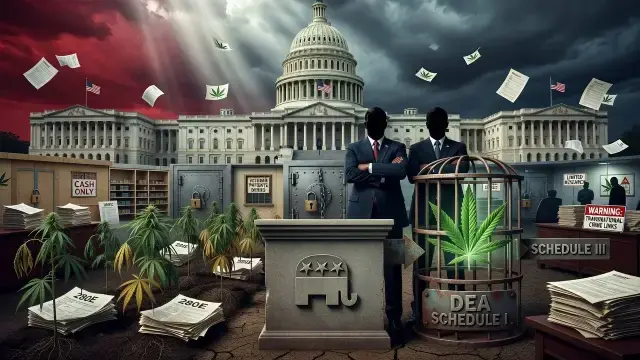
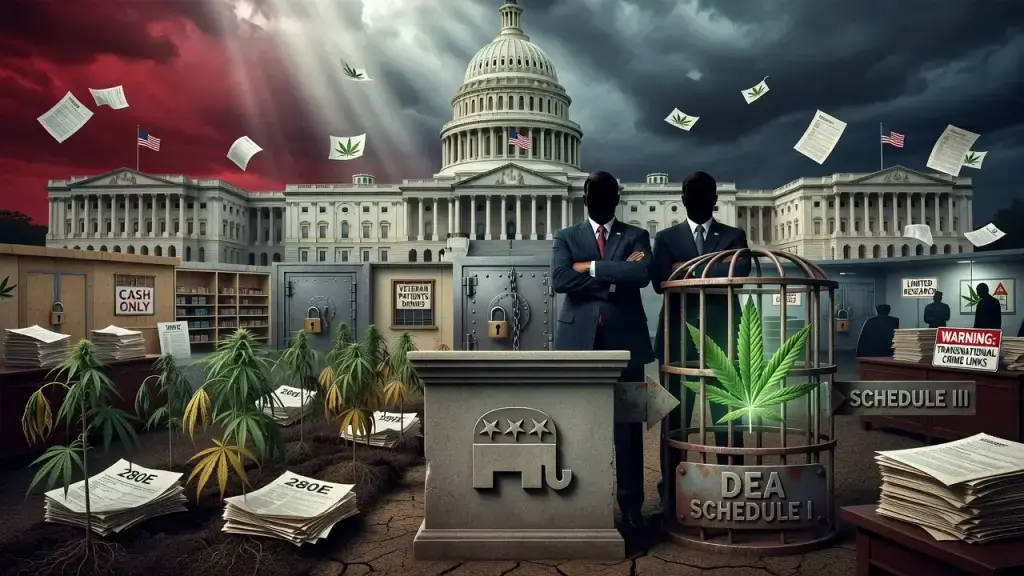
Congressional Republicans just put two of marijuana reform's most consistent opponents in charge of their conferences for the next Congress. Rep. Jim Jordan (R-OH) will lead House Republicans as minority leader, while Sen. John Thune (R-SD) keeps his post atop the Senate GOP conference. Both men have spent years voting against cannabis policy changes, and their ascension complicates an already uncertain picture for the Trump administration's rescheduling effort moving through the Drug Enforcement Administration.
Why Leadership Picks Matter for Rescheduling
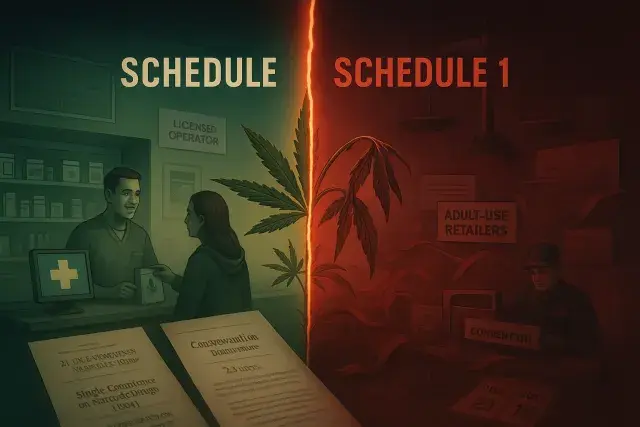
Here's the catch for cannabis operators watching this process: rescheduling marijuana from Schedule I to Schedule III wouldn't legalize it, but it would meaningfully change the business math for state-licensed companies. Most notably, it would lift the 280E tax burden that currently bars cannabis businesses from deducting ordinary expenses on federal returns-a provision that has squeezed margins across the industry for years. Multi-state operators have been watching this rulemaking closely because a favorable outcome would free up capital that's currently going straight to the IRS.
Congress doesn't control the scheduling decision directly; that's an executive branch process. But leadership matters because it shapes what riders get attached to spending bills, what hearings get scheduled, and whether banking or hemp-related legislation gets floor time. Thune has already signaled he'd try to use whatever leverage the Senate GOP has to push back on the rescheduling rule, having signed a 2024 letter calling the proposal "irresponsible" and urging the Biden administration to withdraw it entirely.
A Voting Record Operators Should Understand
Jordan's opposition isn't new or symbolic. His record includes votes against more than two dozen cannabis-related proposals, covering everything most basic for the industry.
- Marijuana banking access, which still leaves many dispensaries operating largely on a cash basis
- State law protections shielding both medical and adult-use markets from federal interference
- Veteran access to medical cannabis recommendations through VA physicians
- Expanded research authority, which affects everything from product safety studies to COA standardization
That last point matters more than it might seem. Limited federal research has long been cited as a reason potency labeling, lab testing protocols, and product safety standards vary so widely state to state. Jordan has argued legalization efforts open "floodgates" for bad actors and transnational crime-a framing that doesn't grapple with the compliance infrastructure, seed-to-sale tracking, and licensing systems states have actually built since 2012.
What This Means for Operators and Investors
In practice, though, the rescheduling process sits with the DEA and doesn't require congressional approval to finalize. That's the thing operators need to keep in mind: GOP leadership opposition creates political noise and potential obstacles, but it doesn't hold veto power over an executive rulemaking already in motion. What it does affect is the broader legislative environment-banking reform, interstate commerce proposals, and any effort to codify protections beyond what a Schedule III reclassification alone would provide.
For dispensary owners and wholesale brands, the practical takeaway is patience paired with preparation. If rescheduling moves forward, finance teams should be ready to revisit 280E exposure and restructure accounting around newly deductible expenses. If it stalls or faces legal challenges-plausible given the political terrain-operators should assume the current tax and banking constraints remain the baseline for the foreseeable future. Either way, compliance teams tracking THC potency limits, packaging rules, and testing requirements at the state level shouldn't expect federal clarity to arrive quickly.